Tubular Inspection
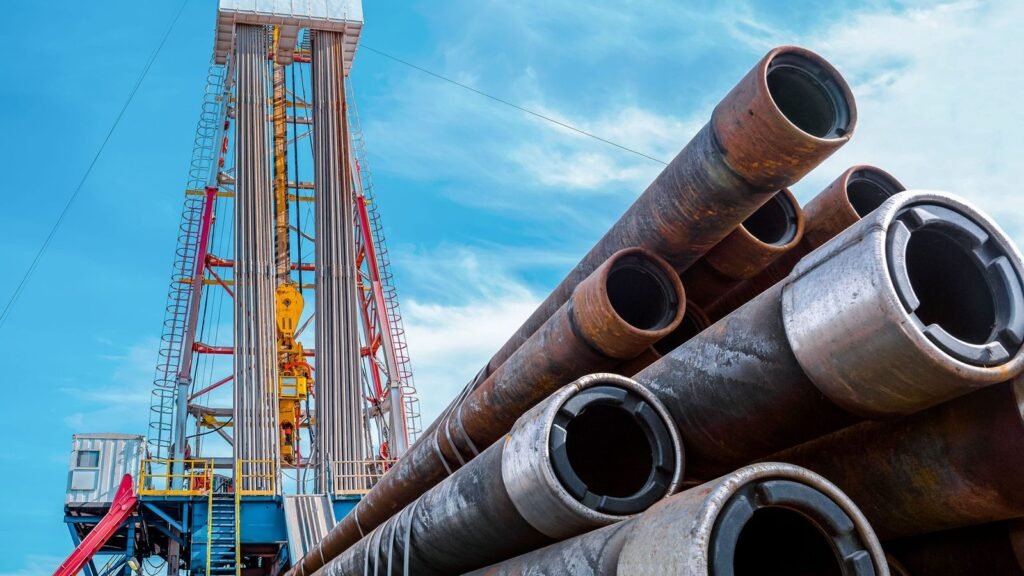
KTC provides Tubular Inspection Services through a technically advanced and quality-driven framework designed to ensure the integrity, reliability, and safe performance of oilfield tubular assets. The service scope is engineered around comprehensive inspection methodologies, including electromagnetic inspection (EMI), ultrasonic testing (UT), magnetic particle inspection (MPI), and visual dimensional verification to detect corrosion, wall loss, cracks, and mechanical defects in drill pipes, tubing, and casing strings.
Operational execution is supported by calibrated inspection equipment, controlled handling procedures, and trained personnel to ensure accurate, repeatable, and traceable results in accordance with API standards and KOC requirements. Quality assurance is embedded through strict calibration regimes, certified inspection procedures, and detailed reporting systems that provide full traceability and asset integrity documentation. In parallel, HSE is fully integrated into all operational activities, with enforced safe lifting practices, hazard identification controls, and adherence to occupational safety protocols to ensure zero-harm execution and compliance with the highest industry safety standards.
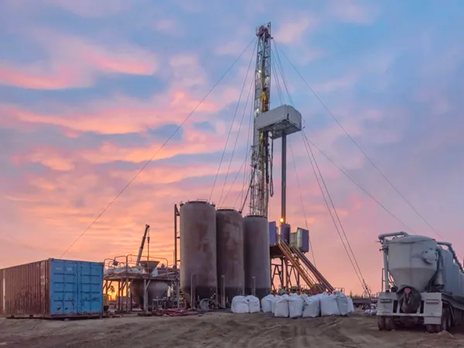
KTC shall execute the 2026 cementing contract with KOC through its technical partner, Moraik Development & Oilfield Services, delivering a fully integrated solution across design, engineering, operations, quality, and HSE. The scope encompasses advanced slurry system design tailored to wellbore conditions, including optimization of rheology, thickening time, fluid loss control, and compressive strength development, supported by laboratory testing and simulation to ensure effective zonal isolation.
Operationally, KTC deploys fit-for-purpose equipment, experienced field crews, and detailed job execution programs, including pre-job risk assessments, real-time monitoring, and post-job evaluation to ensure efficiency and reliability.
Stringent quality assurance and control protocols are applied at all stages in full compliance with KOC requirements and international industry standards. The project execution takes place under a rigorous HSE management system, emphasizing hazard identification, risk mitigation, personnel safety, and environmental protection to ensure safe and high-performance cementing operations.
Engineering & Design Approach
At KTC, every cementing operation begins with a detailed engineering and planning phase to ensure optimal results under Kuwait’s field conditions. Our technical team evaluates well data, formation properties, pressure and temperature profiles, and operational constraints to design cement slurries and pumping programs that meet both performance and regulatory requirements. This disciplined approach helps minimize non-productive time, reduce operational risks, and achieve reliable zonal isolation from the first job.
Quality Assurance & HSE Commitment
Quality, safety, and environmental responsibility are integral to KTC’s cementing services. All operations are executed in compliance with international standards and local HSE regulations, supported by rigorous quality control procedures and trained personnel. Our crews follow strict safety protocols on-site, while continuous monitoring and verification ensure cement placement accuracy and long-term well integrity without compromising people, assets, or the environment.
Operational Excellence & Local Expertise
With strong local presence and deep understanding of Kuwait’s oil and gas sector, KTC delivers cementing services that combine technical excellence with operational efficiency. Our experienced field teams, modern equipment, and responsive support enable seamless coordination with drilling and completion activities. As a trusted Kuwaiti service company, KTC is committed to building long-term partnerships by delivering consistent performance, reliable execution, and value-driven cementing solutions across every project.
Tubular Inspection
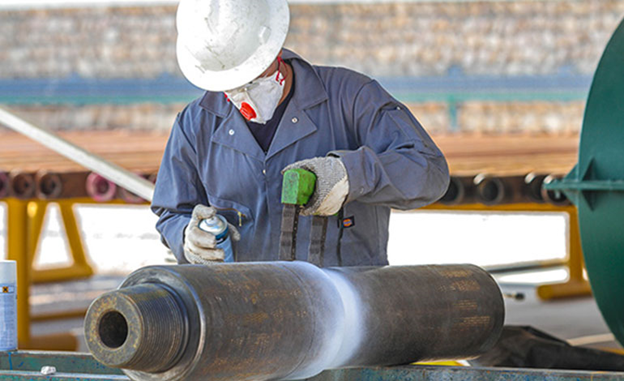
KTC provides Tubular Inspection Services through a technically advanced and quality-driven framework designed to ensure the integrity, reliability, and safe performance of oilfield tubular assets. The service scope is engineered around comprehensive inspection methodologies, including electromagnetic inspection (EMI), ultrasonic testing (UT), magnetic particle inspection (MPI), and visual dimensional verification to detect corrosion, wall loss, cracks, and mechanical defects in drill pipes, tubing, and casing strings.
Operational execution is supported by calibrated inspection equipment, controlled handling procedures, and trained personnel to ensure accurate, repeatable, and traceable results in accordance with API standards and KOC requirements. Quality assurance is embedded through strict calibration regimes, certified inspection procedures, and detailed reporting systems that provide full traceability and asset integrity documentation.
In parallel, HSE is fully integrated into all operational activities, with enforced safe lifting practices, hazard identification controls, and adherence to occupational safety protocols to ensure zero-harm execution and compliance with the highest industry safety standards.
Tubular Inspection
KTC provides Tubular Inspection Services through a technically advanced and quality-driven framework designed to ensure the integrity, reliability, and safe performance of oilfield tubular assets. The service scope is engineered around comprehensive inspection methodologies, including electromagnetic inspection (EMI), ultrasonic testing (UT), magnetic particle inspection (MPI), and visual dimensional verification to detect corrosion, wall loss, cracks, and mechanical defects in drill pipes, tubing, and casing strings.
Operational execution is supported by calibrated inspection equipment, controlled handling procedures, and trained personnel to ensure accurate, repeatable, and traceable results in accordance with API standards and KOC requirements. Quality assurance is embedded through strict calibration regimes, certified inspection procedures, and detailed reporting systems that provide full traceability and asset integrity documentation.
In parallel, HSE is fully integrated into all operational activities, with enforced safe lifting practices, hazard identification controls, and adherence to occupational safety protocols to ensure zero-harm execution and compliance with the highest industry safety standards.
Tubular Inspection & Integrity Assessment
Kuwaiti Technical Company (KTC) provides comprehensive Tubular Inspection Services to ensure the integrity, reliability, and safe utilization of drilling and production tubulars throughout their service life. Our inspection solutions cover drill pipes, casing, tubing, and accessories, helping clients identify defects, wear, corrosion, and mechanical damage before they impact operations. Through systematic inspection and evaluation, we support safer operations and extend the operational life of critical tubular assets.
Advanced Inspection Techniques & Quality Control
KTC utilizes proven non-destructive testing (NDT) methods and calibrated inspection equipment to deliver accurate and reliable inspection results. Our services include visual inspection, electromagnetic inspection, ultrasonic testing, dimensional checks, and thread inspection, all performed by qualified and certified technicians. Detailed reporting and traceability ensure full compliance with international standards and client specifications, enabling informed decision-making and effective asset management.
Safety, Compliance & Local Expertise
All tubular inspection activities at KTC are conducted in strict accordance with international standards and local oil and gas regulations in Kuwait. Safety and quality are embedded in every stage of our inspection process, from handling and preparation to testing and certification. With strong local presence and experienced personnel, KTC delivers responsive, efficient, and dependable tubular inspection services that support drilling efficiency, operational safety, and long-term well integrity.